
We have always been fascinated by the transformations taking place in the plastic cap industry. Over the past few years, we have observed increasingly rapid changes, driven by both technological advances and consumer demands. When discussing this topic, we cannot fail to mention our experience working with clients from different sectors, who are constantly seeking practical, attractive, and sustainable innovations.
With nearly three decades of experience in the industry, we see that design trends for plastic caps in 2026 are directly linked to new market directions and social and environmental responsibility. We would like to share five trends that we consider most significant for the coming years, based on research, conversations with industry professionals, and our day-to-day experience in the industry.
Sustainable design is a priority
It’s no secret: environmental responsibility is no longer a competitive advantage—it’s now a requirement. But if we take a closer look, we can see how much progress has accelerated recently. Today, consumers value brands that are environmentally conscious, and this has a significant impact on the development of plastic caps.
In our interactions with international and domestic customers, we have noticed that the main changes stem from initiatives that reduce plastic use, increase recyclability, and utilize renewable materials. Some examples of this trend include:
- Increasing use of biodegradable and recycled materials;
- Reducing the amount of plastic without compromising strength and sealing;
- Single-material solutions, making recycling easier;
- Investment in technologies that enable reuse.
By participating in major national and international trade shows, we’ve noticed that companies like Bral-Max reaffirm this commitment every day, seeking partnerships and developing solutions that combine sustainability and performance. If you’d like to learn more about innovative and eco-friendly packaging in this context, check out our line of lids with the P-Life seal and also read this article on sustainable practices applied to the industry.
A sustainable lid is a quiet innovation that makes a difference for the planet.
Customization and color variety
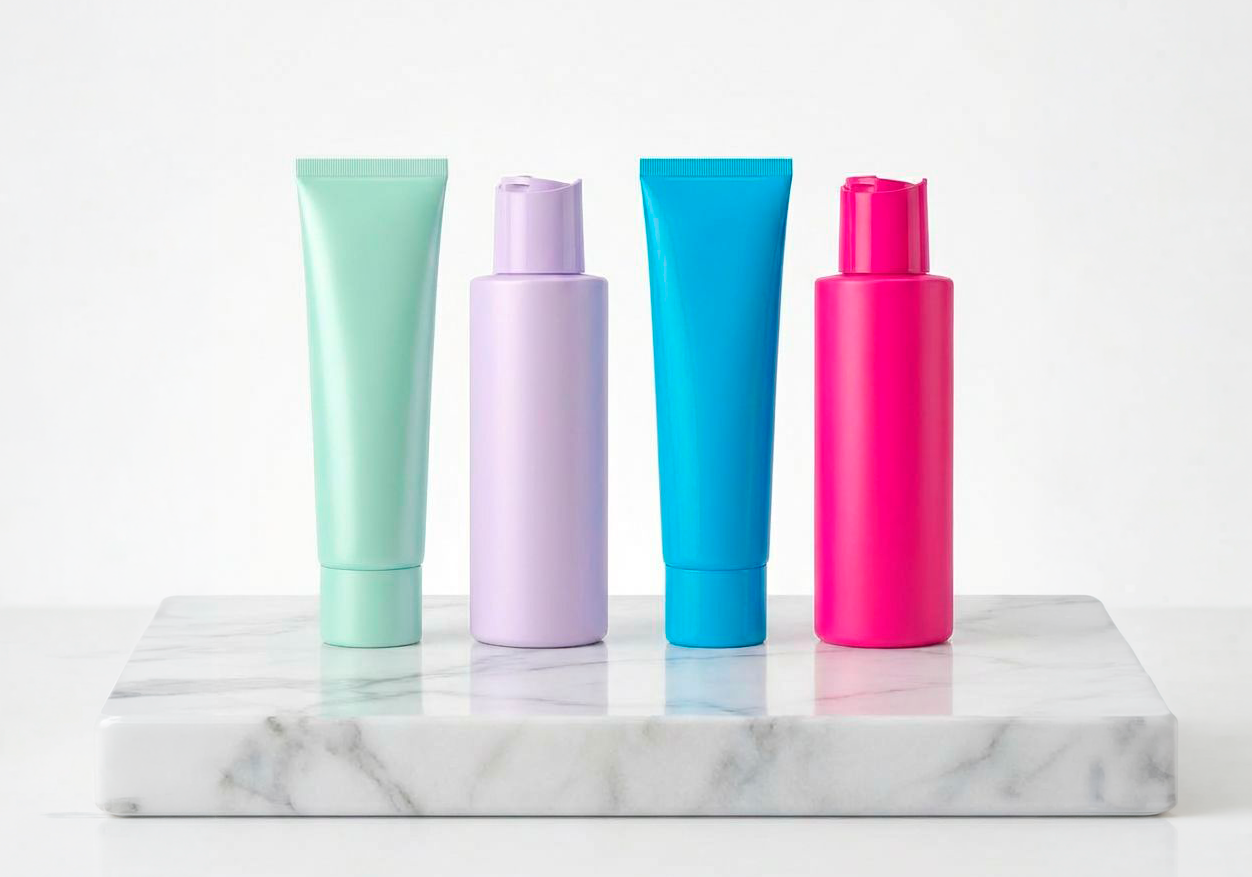
Another trend that is gaining momentum is customization. Standardization is a thing of the past. Today, buyers of plastic caps are looking for visual distinction, brand identity, and, above all, the freedom to create unique packaging. In practice, this is reflected in the availability of different finishes and a wide range of colors.
At Bral-Max, for example, we see a growing demand for exclusive colors, unique textures, and shapes that reinforce each product’s positioning. To meet the needs of these customers, we need flexible and fast processes capable of adapting to small batches or producing large volumes while maintaining the same visual quality.
- Solid colors, translucent colors, and special effects;
- Metallic or matte finish caps;
- Recording and printing options for even more customization.
This focus on the individuality of packaging strengthens the brand’s connection with consumers. Many experts point out that, in the coming years, the trend is for personalization to go beyond just the visual aspect: smart lids, which interact with the user via QR codes or built-in sensors, are also gaining ground—a trend we’ve seen grow at recent industry trade shows.
Functionality and ease of use
When looking at products from different sectors, we notice one common factor: The design of the lids should make the user's daily routine easier and provide comfort, safety, and convenience. Paying attention to the consumer experience when opening, closing, and handling packaging is something that, in our view, will become even more important in 2026.
These are the most notable issues we encounter in new projects:
- Leak detection systems;
- Flip-top and disc-top lids with more precise mechanisms;
- Ergonomic design that makes it easier for people with limited mobility to open;
- Solutions that ensure product tamper-proofing;
- Opportunities focused on controlled consumption and the practical application of the content.

Integrated digital technology
At first, we found it strange to associate digital technology with plastic caps, but we are increasingly realizing that the two fields are converging. At recent events, we’ve seen prototypes of caps equipped with QR codes, NFC, and even pressure sensors. This trend isn’t random: consumers want interaction and transparency regarding the product they’re using.
Companies in industries such as pharmaceuticals and food are adopting QR codes, as they allow users to access information about product origin, safety, and even usage tutorials via their cell phones. We must also mention cases where sensors embedded in lids indicate possible tampering or the need to replace the product.
- QR codes linking packaging to exclusive digital content;
- Sensors that alert users to changes in temperature or contamination;
- NFC for traceability and authenticity verification.
The plastic lid is increasingly serving as a bridge between the physical and the digital worlds.
These solutions open up opportunities for brands to create a unique and secure experience for the end consumer.
Minimalism in design
A few years ago, there was an explosion of eye-catching packaging packed with graphic elements. However, a new trend is taking hold: minimalism. Now, we see lids with simple lines, without excessive detail, that convey sophistication and practicality at the same time.
Minimalism has an impact not only on the product’s appearance but also on its engineering. With fewer components, it is possible to optimize material usage, reduce defects, and streamline production processes—all without compromising quality or performance.
In our conversations with packaging designers, this concept stands out for conveying trust and organization. Brands that embrace minimalism also signal a commitment to the essentials: less environmental impact, greater ease of use, and timeless beauty.
The benefits of minimalism, in fact, are a recurring theme for those who follow developments in the plastic packaging sector and industrial trends.

Conclusion
If we were to summarize everything we’ve observed about trends in plastic caps for 2026, it would look like this: The future lies in innovation, sustainability, practicality, and visual identity. New materials, colors, and digital solutions promise to transform how this small yet significant packaging element is perceived and used.
Now, we’d like to invite you to learn more about Bral-Max’s portfolio and design solutions. We’re confident that your brand can grow even further by investing in innovative, functional lids that are in line with the latest market trends. Find out how you can be part of this movement.
Frequently Asked Questions
What are the main trends for 2026?
For 2026, the most notable trends are: sustainability in design and materials, color customization, a focus on functionality, the integration of digital technologies such as QR codes, and aesthetic minimalism. These trends reflect new market and consumer demands.
How are plastic lids evolving?
As tampas plásticas evoluem pela busca constante de inovação, redução de impacto ambiental, facilidade de uso e integração de tecnologias. Isso inclui uso de novos materiais, adaptações de ergonomia e recursos digitais para ampliar a experiência do usuário.
What materials are used in the new lids?
Among the most commonly used materials in the new lids are recycled plastics, polymers from renewable sources, as well as biodegradable and single-material options. These materials facilitate recycling and reduce post-consumer waste.
Are sustainable lids worth it?
Sim, as tampas sustentáveis oferecem benefícios ambientais e aprimoram a imagem da marca, atendendo demandas dos consumidores e da legislação. Elas também podem gerar economia em processos e abrir portas para mercados diferenciados.
Where can I find innovative plastic lids?
Innovative plastic caps can be found at specialized manufacturers, such as Bral-Max, which invest in research, technology, and sustainability. For more insights on innovation and trends, I recommend checking out the content in the industry category or this post on examples of innovative solutions.
 Portuguese
  English
  Spanish