
The evolution of sustainability in the plastic packaging sector
At the start of my career, the conversation about sustainability in the plastics sector was restricted, almost timid. Today, I see that environmental responsibility has expanded to every link in the chain - from raw material selection to recycling. Sustainability has become a requirement and is already part of the value proposition of serious companies, as I have been following closely at Bral-Max.- Greater use of recycled resins
- Reduced packaging weight
- Optimizing logistics
- Development of more easily recyclable caps and bottles
- Care with energy consumption
Sustainable practices recommended and adopted by the sector
Over time, I've noticed some initiatives gaining momentum and standing out. Some of them are almost a consensus among those who really want to rethink the environmental footprint of plastic packaging.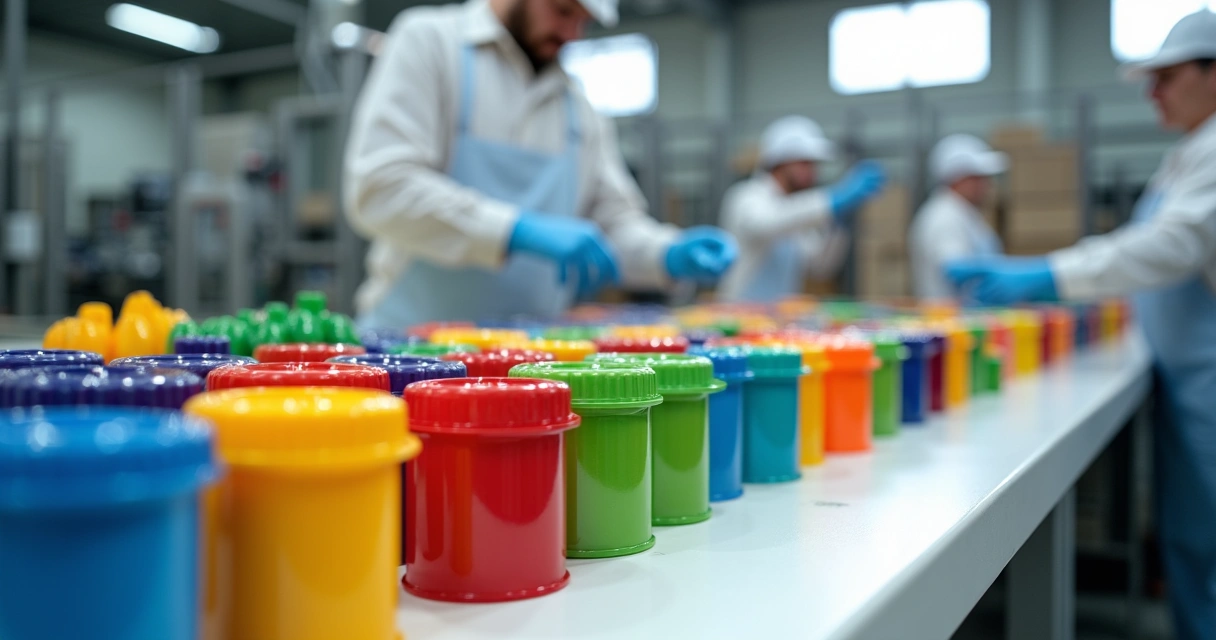 Replacing virgin resin with recycled plastics
- Reducing the amount of plastic in parts without losing quality
- Elimination of metal components and other materials that hinder recycling
- Use of non-toxic pigments with less environmental impact
- Automation on production lines to reduce energy waste
- Recognized environmental seals and certifications
Why does sustainability make sense for companies and consumers?
I believe the answer lies in something very simple: collective conscience. Those who choose packaging with a lower environmental impact benefit the planet and add value to the brand itself. I've seen cases where customers have come to value you even more for choosing sustainable lids and bottles.Reducing, reusing and recycling is everyone's choice.In the cosmetics, pharmaceutical and food sectors, with which I have frequent contact, traceability of the material, information on origin and the possibility of transparent recycling are decisive factors. This movement makes the whole chain more reliable and strengthens the bond with the end consumer.
Challenges and opportunities within sustainability in plastic packaging
Even with all the progress, I still see challenges on the national scene. Brazil still has low plastic recycling rates compared to other countries, and much of this bottleneck lies in the collection, sorting and environmental education stages. But there are clear opportunities: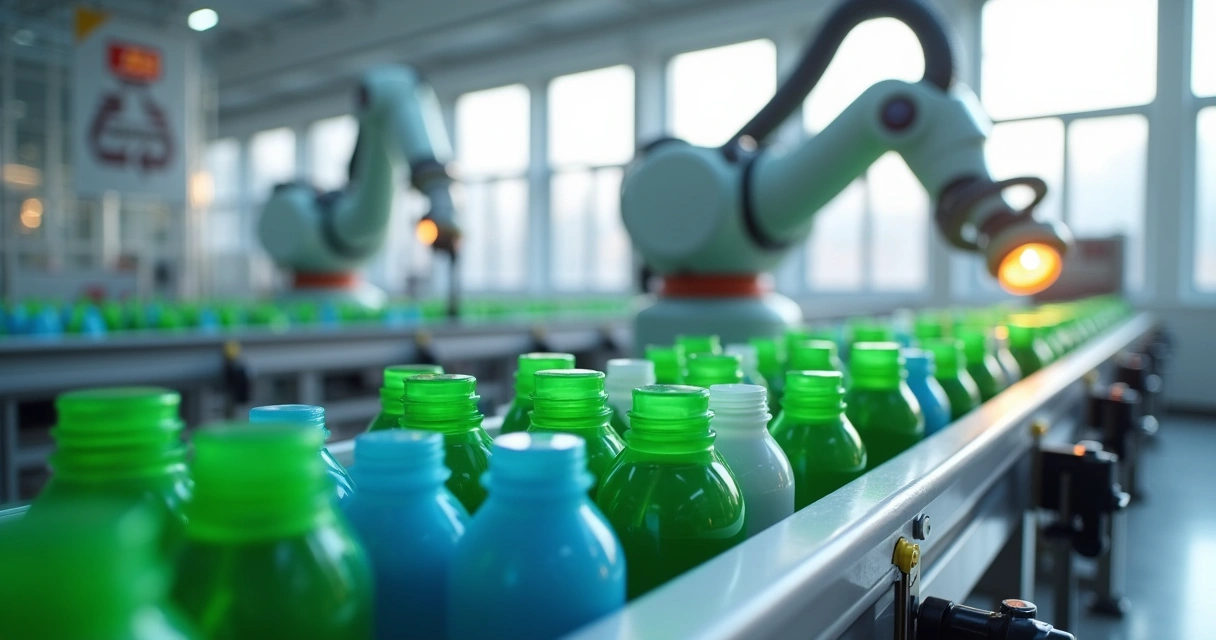 Development of more efficient recycling technologies
- Educating consumers about correct disposal
- Partnerships in reverse logistics
- Increased use of recyclable materials in various product lines
Technological progress, innovation and environmental responsibility go hand in hand
In my experience, technology is key to unlocking new sustainable solutions in plastic packaging. Desde o uso de softwares para criação de protótipos que evitam desperdício, até a automação na linha de produção que garante menos perda de insumos, o setor está mudando a forma como encara design, produção e logística. O compromisso com práticas sustentáveis pode ser comprovado por quem acompanha conteúdos de inovação para embalagens plásticas em portais especializados, como a seção de inovação do blog Bral-Max. Aliás, explorar conteúdos sobre sustentabilidade e embalagens evidencia como o debate está cada vez mais concreto e aplicável à prática industrial.Success stories and actions in the industrial sector
I've attended industry events where Brazilian companies have shown how they have adapted internal processes to consume fewer resources and generate less waste. It was even possible to see how small changes can generate significant long-term gains. At Bral-Max, this type of initiative includes:- Conscious use of water and energy
- Reuse of waste from the production process
- Investment in developing projects for segments such as hygiene, cleaning, veterinary and chemical, always with a focus on sustainability
Conclusion
Na minha visão, sustentabilidade nas embalagens plásticas deixou de ser discurso para se transformar numa série de atitudes concretas. Cada ação conta, seja no projeto de uma nova tampa ou na escolha do plástico reciclado. Empresas como a Bral-Max vêm assumindo esse papel, demonstrando que performance, qualidade e sustentabilidade caminham juntos – e que o mercado valoriza quem cuida do planeta desde a origem da embalagem até seu destino final. Convido você a conhecer melhor as soluções da Bral-Max e acompanhar nossos conteúdos sobre inovação e sustentabilidade. Descubra como unir design, tecnologia e consciência ambiental pode fortalecer ainda mais a presença da sua marca e seus resultados.Frequently asked questions about sustainability in plastic packaging
What is sustainability in plastic packaging?
Sustentabilidade em embalagens plásticas significa reduzir o impacto ambiental durante todas as etapas do ciclo de vida da embalagem. Isso inclui o uso de matérias-primas recicladas, design que permita reciclagem eficiente, redução de resíduos e atitudes responsáveis na produção, transporte e descarte.
What sustainable practices does the sector adopt?
Among the main ones are: increasing use of recycled resins, reducing the weight of packaging, automation for less waste, developing recyclable lids, eliminating mixtures with other materials and implementing reverse logistics. Companies are also investing in environmental certifications and consumer orientation campaigns on correct disposal.
Is it worth investing in sustainable packaging?
Sim, investir em embalagens sustentáveis fortalece a reputação da empresa, reduz custos a longo prazo e atende à demanda crescente de consumidores por marcas responsáveis. Além disso, pode abrir novos mercados, melhorar a relação com parceiros e contribuir para um meio ambiente mais equilibrado.
How to identify recyclable plastic packaging?
Recyclable packaging usually has specific symbols, such as the triangle of arrows with numbers inside, indicating the type of plastic used. It's worth checking whether the packaging is made up of just one material (such as PET, PP or PE), which makes the recycling process easier. Clear information on the label or from the manufacturer also helps to identify truly recyclable products.
What are the benefits of sustainable packaging?
Os principais benefícios das embalagens sustentáveis são a redução do impacto ambiental, a valorização da marca perante o consumidor, economia de recursos, cumprimento de legislações e incentivo ao consumo consciente. Empresas alinhadas com esse movimento se destacam por transparência e responsabilidade, o que pode gerar fidelização e preferência do mercado.
 Portuguese
  English
  Spanish