
Over the years I’ve spent following the evolution of the plastic cap market in Brazil, I’ve always been surprised by the complexity involved in exporting this type of product to other countries. Manufacturing high-quality caps already requires careful attention, but ensuring that these parts arrive at the correct destination, at the right time, and in optimal condition involves very specific logistical challenges.
Current Overview of Plastic Cap Exports
On the global stage, plastic caps play a key role in industries such as cosmetics, pharmaceuticals, food, and chemicals. Demand has been increasing not only because of their functionality but also due to their aesthetic appeal and the need for sustainability. Bral-Max, for example, is proud to be recognized as one of Brazil’s leading companies in this segment, serving both the domestic and international markets.
In my experience, I’ve found that exporting requires professionalism at every stage. From product development to delivery to the customer overseas, there are a number of points that require special attention, and I’ll share some of these lessons in this article.
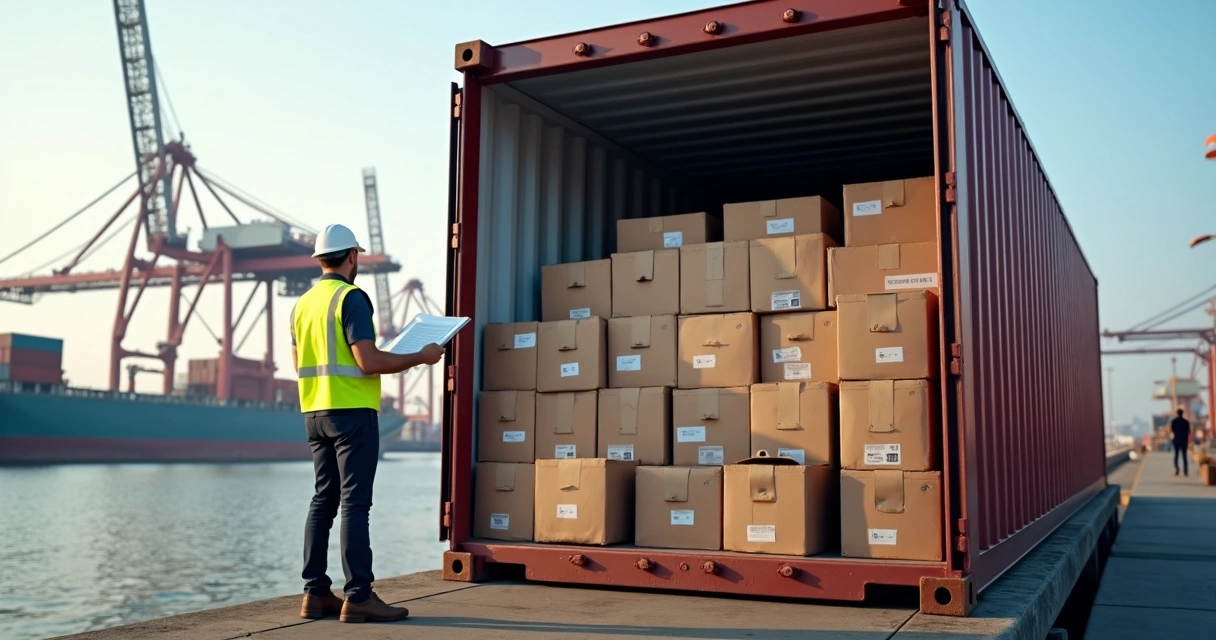 What are the main logistical challenges?
In my view, the most common obstacles in the process of exporting plastic caps can be divided into a few categories:
- Packaging and packing: Ensuring that the lids do not become deformed, cracked, or otherwise damaged during international shipping is a daily concern. The type of packaging directly affects the product’s condition upon arrival at its destination.
- Standardization and legal requirements: Each country may require different dimensions, compositions, and certificates, as well as specific regulations for plastic packaging.
- Deadline and Transportation Management: Shipping, air, or road transport. Knowing how to choose the right mode of transport and plan the lead time makes all the difference in meeting the expectations of international customers.
- Bureaucracy and paperwork: Exporting plastic caps involves invoices, certificates of origin, commercial invoices, as well as special licenses and permits, depending on the industry.
- Logistics costs: Customs duties, taxes, and shipping costs can affect the viability of the business, requiring detailed planning.
I have seen cases where deadlines were extended due to minor details, such as a label that did not meet the standards required by the destination country.
Practical and smart solutions for overcoming obstacles
Over time, I've learned that small solutions can make a big difference in the export of plastic caps. Here are some measures I consider essential:
- Develop sturdy, standardized packaging: Invest in high-strength packaging that is suitable for the chosen mode of transport and ensure that the specifications comply with the importing country’s requirements.
- Keep documentation up to date at all times: Having clear internal processes and a trained team helps ensure that all necessary documentation is prepared without any surprises.
- Building reliable logistics partnerships: A specialized carrier can prevent losses caused by lost or damaged goods during transport. Choosing partners with experience in exporting, as Bral-Max does, is a worthwhile effort.
- Traceability and transparency: Implement systems that ensure each stage of the lids' journey to the end customer is monitored. This allows us to respond quickly to any unforeseen circumstances.
- Negotiating realistic deadlines: Openly explain the steps and potential bottlenecks to the external client. Anticipating the unexpected is part of what makes international logistics successful.
Transparency and advance planning reduce risks and build trust with international customers.
Technology as an Ally in International Logistics
I see technology as a vital part of this process. Integrated management and logistics systems streamline operations, enable seamless communication with customers and partners, and provide complete visibility into shipments.
Many industries now use real-time tracking, weather alerts during transit, and automatically updated ETA (Estimated Time of Arrival). This is a significant improvement over the past, when it was only possible to find out whether an order had reached its destination after days of waiting and numerous phone calls.
Bral-Max, for example, is investing in digital solutions that integrate production, inventory, and exports onto a single platform, with the goal of achieving greater control and reducing disruptions.
How does sustainability influence the logistics process?
In recent years, I've noticed that sustainability has taken center stage in international negotiations. Many customers prioritize suppliers who are committed to sustainable practices—not only in their products, but also in the storage and transportation phases.
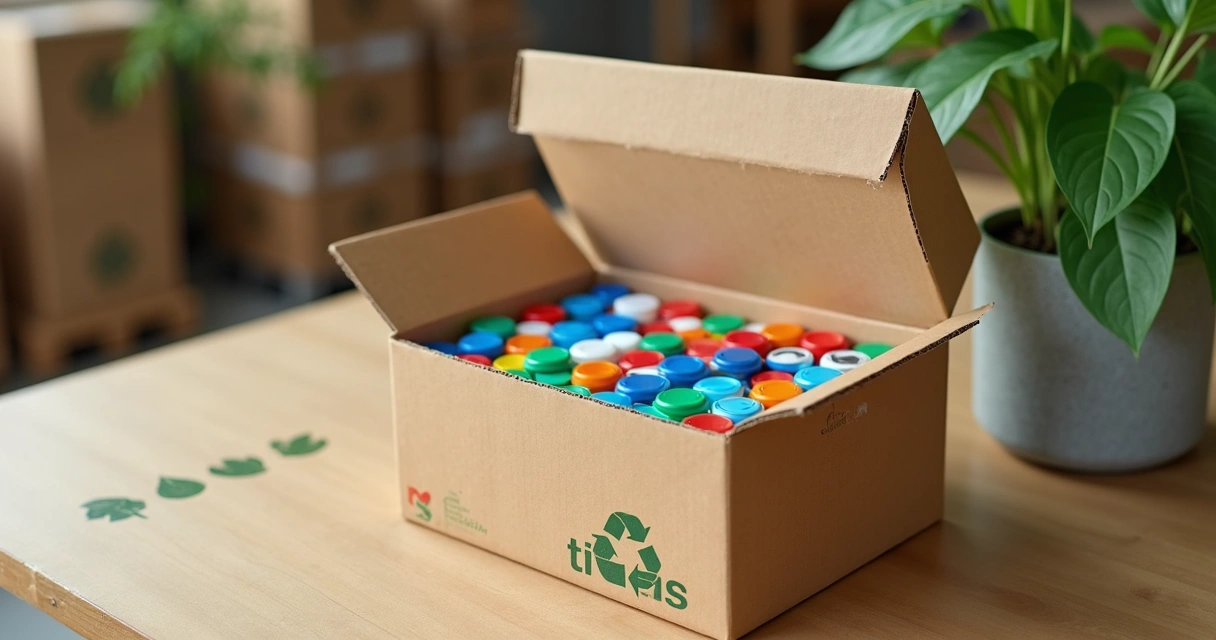 Using recycled boxes, smart stacking (to save space), and carriers that use clean fuels can be a key factor in choosing a supplier. These are the details that make a difference in the eyes of markets that are more demanding and attentive to the environmental impact of logistics.
The Role of Innovation and International Trends
Keeping up with trends is essential. At the national and international events I’ve attended as a professional, it has become clear that new technologies have changed the way we export. 3D printing for rapid prototyping of caps, automated filling systems, and customized packaging solutions are becoming increasingly common.
Companies like Bral-Max analyze the latest advancements to bring them to Brazil and offer them to demanding international markets. If you’re also interested in innovation and practical applications, I recommend visiting the innovation section of the blog, where I share relevant trends and discussions.
Strategies for Reducing Logistics Costs in Exporting
Reducing costs is one of the main goals of exporters, especially in the industrial sector. In my research, I have identified some strategies that yield results:
- Negotiate larger volumes to take advantage of freight discounts;
- Take advantage of tax incentives, such as drawback and special tax regimes, when available;
- Seek out carriers that already have proven expertise in international routes;
- Map out alternative routes that reduce travel time;
- Invest in the automation of internal processes, such as inventory control and demand forecasting.
Anyone who wants to learn more about logistics and cost reduction can check out the logistics section of the blog, which features content that delves into the world of transportation and distribution.
Real-world case: Customized exports with added value
One case that stood out throughout my career was an export project for a European client in the veterinary sector. The client needed plastic lids with tamper-evident seals, in specific colors, and with a specific number of units per box, in accordance with local standards.
It took weeks of adjustments and adaptations: we created samples, tested packaging to withstand various shipping challenges, and only then evaluated shipping costs. The result was a damage-free delivery within the agreed-upon timeframe, demonstrating how customization and thorough preparation prevent rework and losses.
For those who want to learn more about custom projects and packaging solutions, I've written more in the blog's packaging category.
Conclusion: Exporting plastic caps is a challenge, but it creates opportunities
Exporting plastic lids requires technical expertise, cultural sensitivity, and constant adaptation. It’s not enough to have the best product: you must also master regulations, align logistics processes, and establish transparent relationships with customers and partners. Especially at Bral-Max, I understand that the secret lies in the details: Sturdy packaging, complete documentation, and prompt customer service are the keys to winning over foreign markets.
If you're looking to take your business to the next level, I recommend checking out the products and solutions we've developed at Bral-Max. Discover how to turn logistical challenges into opportunities for growth. See our unique offerings and success stories in action by clicking here!
Frequently Asked Questions About Exporting Plastic Caps
What are plastic lids for export?
Tampas plásticas para exportação são componentes fabricados com critérios de qualidade, segurança e conformidade internacional para atender setores como cosmético, farmacêutico, alimentício, higiene e limpeza entre outros. Elas são produzidas respeitando padrões técnicos e logísticos que permitam enfrentar jornadas longas sem sofrer avarias, além de cumprir regras específicas de cada país importador.
What are the main logistical challenges involved?
The main challenges include selecting appropriate packaging, complying with international laws and regulations, meeting deadlines, managing costs, dealing with customs requirements, and the need for detailed documentation. Problems in these areas can jeopardize the entire export chain.
How can we reduce the costs of exporting these caps?
Negociar envios em volumes maiores, automatizar processos internos, buscar incentivos fiscais e escolher parceiros logísticos especializados são caminhos eficientes para cortar custos sem comprometer a qualidade da entrega. Avaliar rotas alternativas e documentações antecipadamente também pode gerar bons resultados.
What documents are required for exporting?
The most common documents include export invoices, commercial invoices, packing lists, certificates of origin, industry-specific licenses, and customs documents. Each destination may have different requirements, so it is essential to stay up to date with the importing country’s laws.
Where can you find reliable logistics partners?
My suggestion is to look for carriers that are well-established in the market, have a track record in exports, and offer traceability and adequate insurance for plastic cargo. Companies like Bral-Max value partners with proven experience, transparency in meeting deadlines, and a commitment to the environment. To learn more about the Brazilian plastic cap industry, visit the industry section of the blog.
 Portuguese
  English
  Spanish