
1. Disregard the chemical compatibility of the material
A common mistake is to believe that any plastic will work for any product. I've witnessed cases where satin lids, for example, have reacted with certain chemical formulations, causing everything from deformations to leaks. It is essential to ensure that the lid material is suitable for the product being filled. Materials such as PP, PE and PET have different characteristics and respond in different ways to solvents, oils and acids. Uma simples consulta técnica pode evitar sérios contratempos, prejuízos financeiros e até riscos à saúde do consumidor final. Se quiser entender mais sobre como inovações em materiais estão mudando o setor, recomendo conferir essa seleção de artigos sobre inovação.2. Ignoring closure variables
I've seen companies that, by prioritizing only the look or cost, end up neglecting the type of closure. The result? Complaints of leaks, difficulty in use or the lid breaking.- Threadable closure
- Flip-top
- Snap-on (pressure)
- Safelock
Designing the right type of lock is half the battle for safety.
3. Failure to consider standards and legislation
This is a point I often reinforce with everyone who takes part in industrial projects with me. The packaging sector is regulated by various standards, especially in the food, pharmaceutical and cosmetics segments. Specifying lids without respecting Anvisa, Inmetro or international standards can lead to whole batches being rejected, fines and recalls. Always consult serious suppliers - as I do with Bral-Max - and keep up to date with the legislation for each segment.4. Stick to the standard without looking into customization
Muitos projetos começam com a busca por tampas iguais às usadas por outros produtos do setor, mas se esquecem que a personalização é uma ferramenta de diferenciação na prateleira. Em meus acompanhamentos no varejo, noto como pequenas alterações em cor, textura e formato podem chamar a atenção e agregar valor à embalagem. Vale a pena discutir sobre customização, ampliações ou adaptações da tampa. No portfólio da Bral-Max, há uma ampla cartela de cores e opções de design flexíveis. Não se esqueça de alinhar também os volumes mínimos e prazos com o fabricante.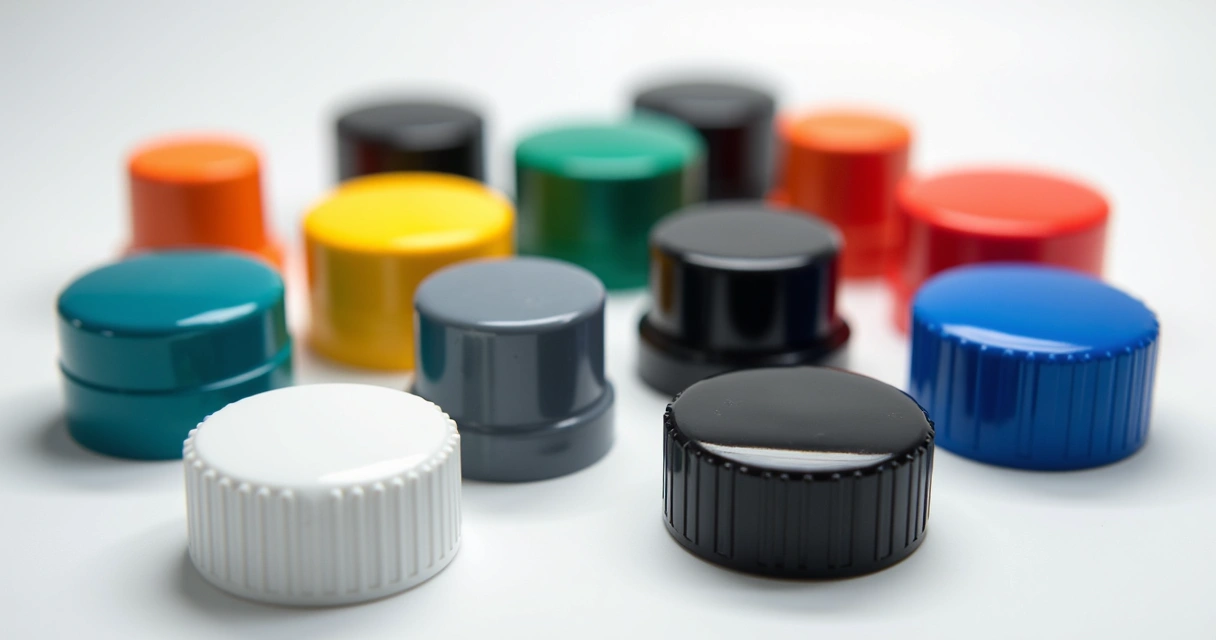 5. Underestimating the impact of logistics
Nem sempre vejo as equipes técnicas considerando as condições de transporte e armazenagem na especificação das tampas. Já presenciei situações em que um ótimo protótipo simplesmente não suportou o transporte em caminhões sob calor intenso ou empilhamento no estoque, causando deformações ou perdas de produto.
Ao especificar, analise junto ao fornecedor como a tampa se comporta em diferentes ambientes e temperaturas. Leve em conta:
- Need for stacking
- Impact resistance
- Exposure to sunlight
6. Forgetting the end user experience
Another common slip-up is to focus only on technical performance and end up forgetting about the consumer. It's essential to think about caps that are easy to open, close, dose and handle, especially in the hygiene, cosmetics and food sectors.Packaging is often the customer's first contact with your brand.I once worked on a project that had to be revised because consumers were finding it difficult to open the lid. A simple consultation of usability tests, as we do by default at major manufacturers, could have avoided rework and extra costs. Find out more about the world of packaging in our exclusive content on packaging.
7. Not planning for future innovations or trends
The market is dynamic and requires constant updating. I see brilliant projects fail precisely because they ignore the need to adapt caps to new formats, antimicrobial technologies or sustainable practices. Sustainability, for example, is no longer a differential and has become a requirement in many contracts. Planning with trends, circular economy and environmental responsibility in mind makes all the difference to a product's longevity. That’s why modern projects are designed from the outset to be easily recyclable and have a smaller carbon footprint. In fact, it’s worth checking out an article that delves deeper into sustainable innovation in this sector.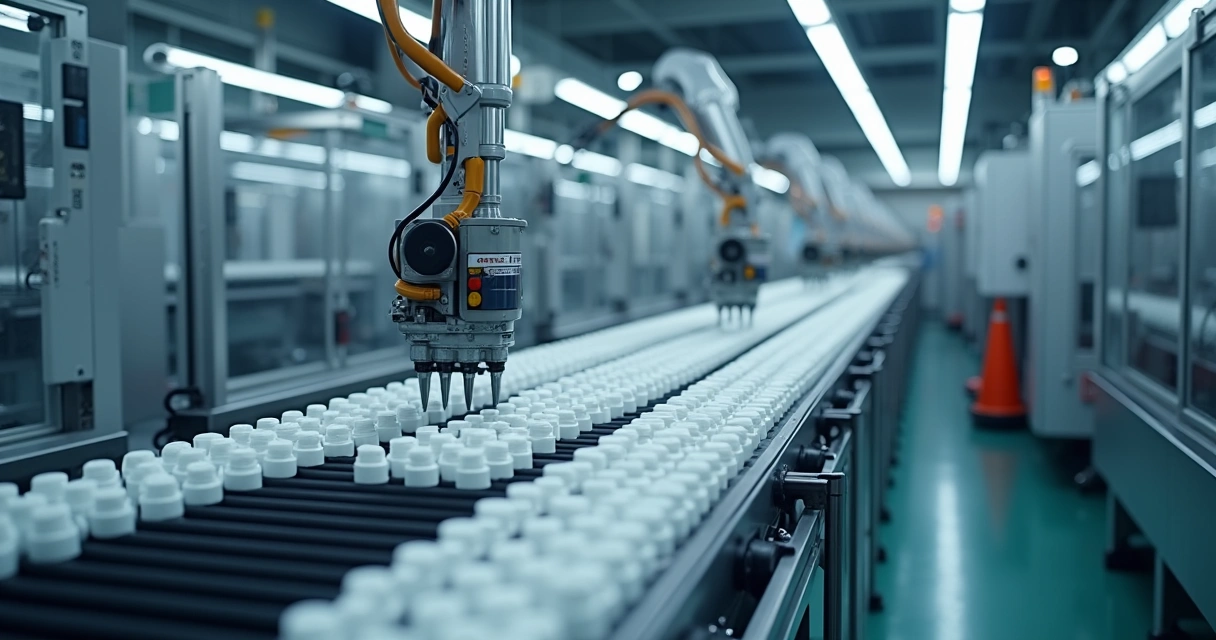 Conclusion: Specifying plastic caps safely
Com tantos pontos de atenção, fica claro para mim que especificar tampas plásticas é uma tarefa estratégica. Uma escolha bem feita pode evitar retrabalho, fortalecer sua marca e gerar economia. Ao longo dessa jornada profissional, vi na Bral-Max um parceiro confiável para esses desafios, sempre atento à qualidade, inovação e às reais necessidades dos clientes.
Quer garantir mais segurança, performance e valor para suas embalagens industriais? Conheça o portfólio da Bral-Max e veja como é possível elevar o padrão da sua marca em qualquer segmento.
Frequently asked questions about industrial plastic caps
What are industrial plastic caps?
Tampas plásticas industriais são componentes desenvolvidos especialmente para vedar, proteger e facilitar o uso de embalagens em setores como cosmético, farmacêutico, alimentício, químico, higiene e limpeza, entre outros. Elas podem ser personalizadas em formato, cor, material e tipo de fechamento, sempre considerando as normas regulatórias de cada segmento.
What are the most common mistakes when specifying lids?
Among the mistakes I encounter most are: choosing the wrong material, ignoring the type of closure, failing to comply with standards, not thinking about personalization, forgetting to evaluate logistics, not considering the user experience and not planning for future adaptations. I've covered them all in detail in this article, with practical examples and recommendations.
How to choose the right plastic cover?
Analyze the contents of the packaging, the filling process, the requirements of your segment and the logistical conditions. Consult specialized suppliers such as Bral-Max for technical advice on materials, closure types, customization and legal compliance. Also evaluate sustainability and design trends.
How much does an industrial plastic cover cost?
O valor depende do material, modelo, volume do pedido, acabamento, personalização e processos adicionais como pigmentação ou impressão. Tampas standard costumam ter custo mais baixo, enquanto projetos sob medida podem envolver investimento maior, mas entregam diferenciação e valor à marca. É indicado solicitar orçamento junto ao fornecedor com base no seu projeto.
Where to find quality plastic caps?
My recommendation is to look for manufacturers with a long history, a proven commitment to quality, and a strong track record in the market, such as Bral-Max. In this industry, we participate in trade shows and discussions on trends, innovation, and sustainability. For those who wish to deepen their knowledge, it’s worth checking out relevant content like this selection focused on the industry, as well as exploring published case studies, such as this study on the use of caps in the pharmaceutical sector.
 Portuguese
  English
  Spanish