
Anyone who works with vials and caps knows how a small detail can make all the difference. Sometimes, the diameter seems right, and the sample fits visually, but the seal doesn’t deliver the expected result. This has been the case in many projects we’ve overseen over the years at Bral-Max. The reason almost always lies in an incomplete reading of the thread.
A principal diferença entre 18/410 e 18/415 está no perfil da tampa: a 18/410 é mais baixa e a 18/415 é mais alta por dentro.
Isso parece simples. E é. Mas esse detalhe interfere no encaixe, na aparência da embalagem e até na escolha do conjunto com válvulas, batoques ou aplicadores. Quando entendemos essa diferença com clareza, a decisão fica mais segura.
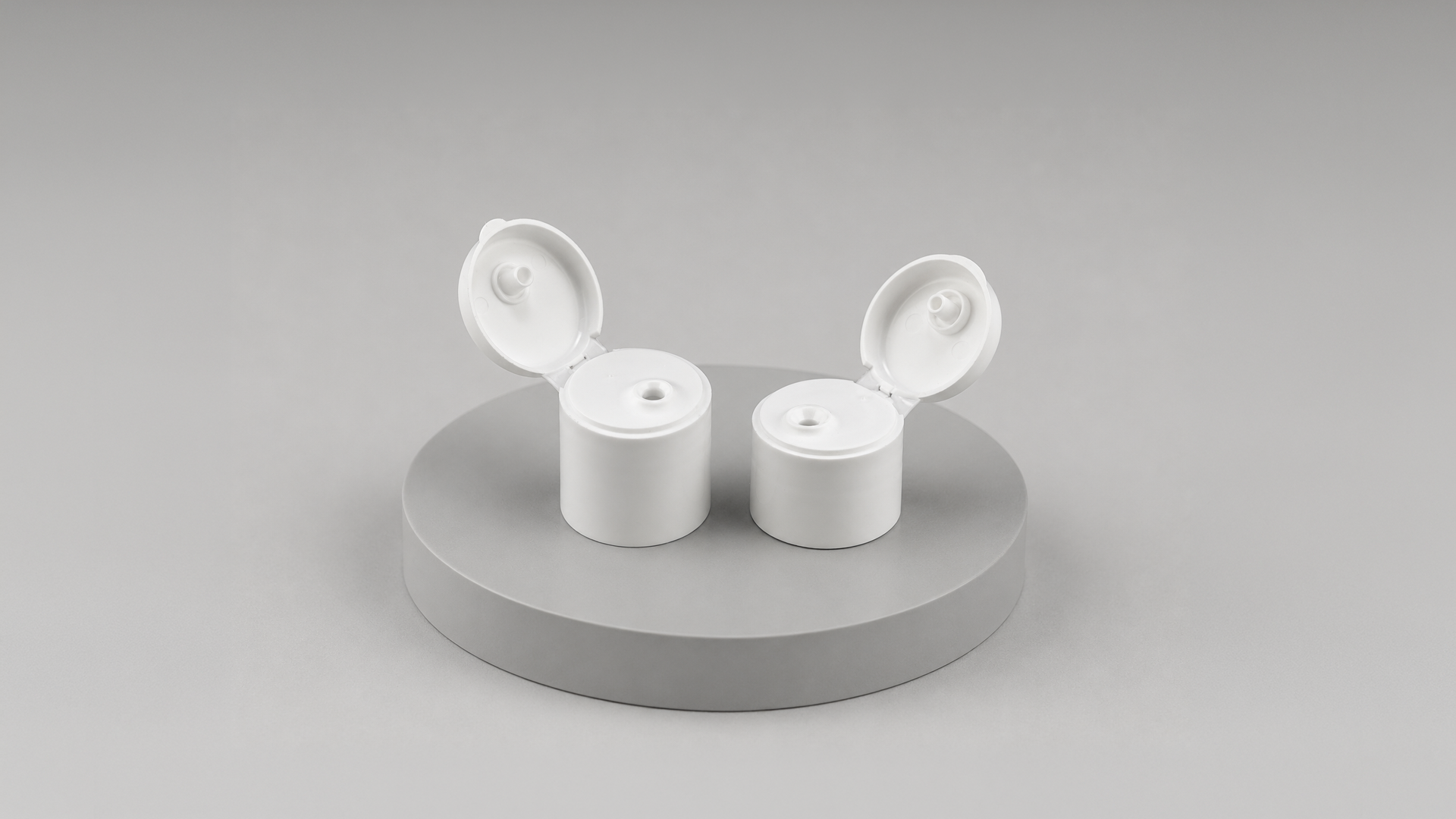
What do the thread numbers mean?
Before comparing the two standards, it’s worth clarifying the terminology. In the code 18/410 or 18/415, the number 18 indicates the internal diameter of the thread, in millimeters. In other words, we’re talking about containers with an 18-mm opening.
Numbers 410 and 415, on the other hand, refer to the thread finish and the cap profile. In practice, this is where the difference that causes the most confusion in the market lies.
Same diameter. Different profiles.
In our day-to-day work, we see many people assume that the 18/410 and 18/415 differ only in their trade names. They do not. They have different internal heights, and this affects the compatibility of the closure.
Practical difference between 18/410 and 18/415
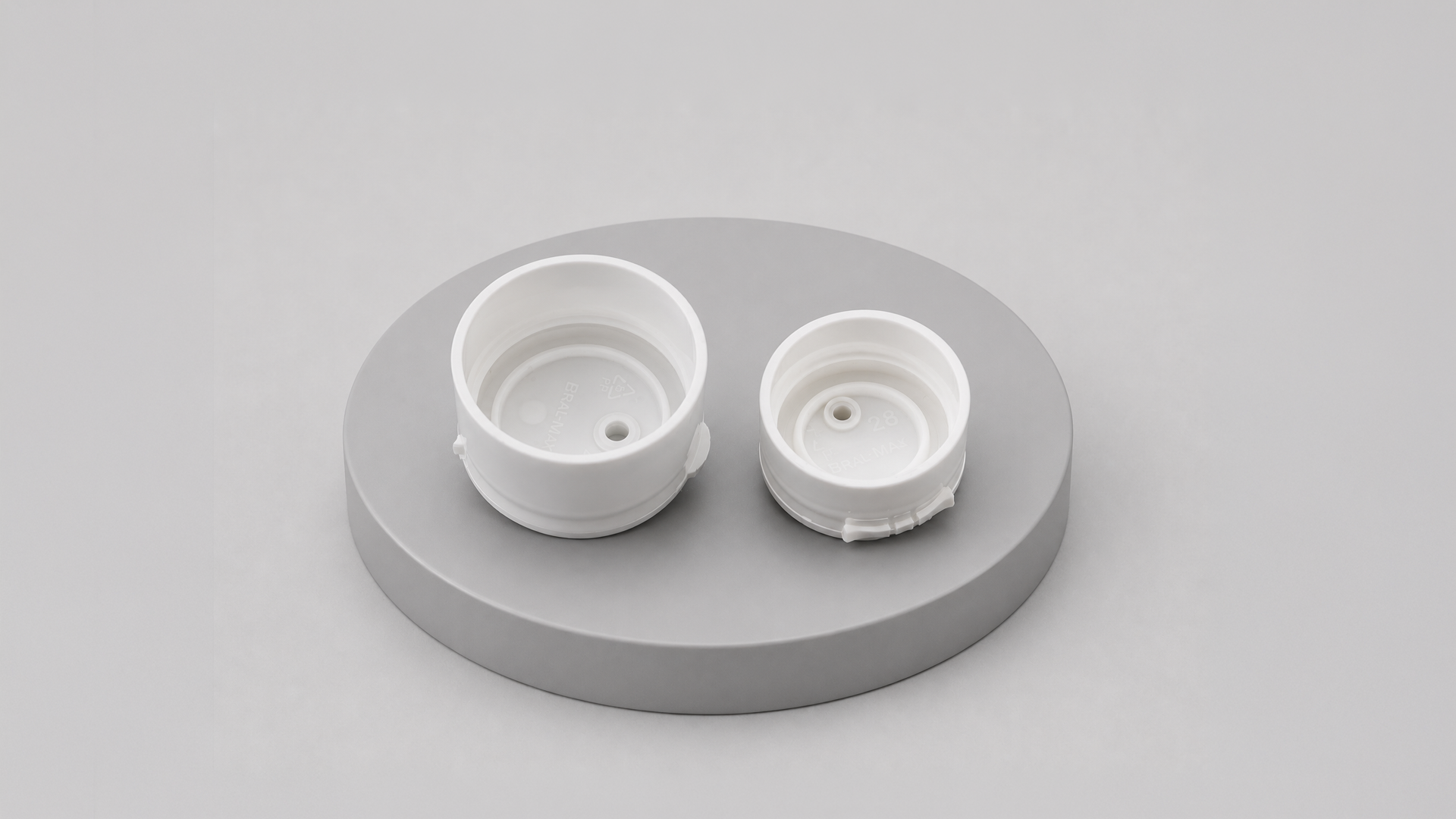
The easiest way to understand this is to imagine two lids with the same diameter but different internal heights.
The 18/410 thread has a lower profile, while the 18/415 has a higher profile, with the thread positioned higher up on the inside of the cap.
This changes the shape of the bottle and the way it fits into the bottle neck. In general, the 18/415 appears taller, while the 18/410 tends to look more compact.
- 18/410: low profile, shorter closure.
- 18/415: high profile, longer closure.
- Both: 18 mm diameter on the internal thread.
This point may seem too technical at first. But once we see the parts side by side, everything makes sense. In many development projects, we at Bral-Max show this physical comparison precisely to avoid errors in defining the item.
How does this affect the choice of lid?
When choosing a closure, it’s not enough to look only at the diameter. We need to consider the entire assembly. The bottle’s neck, the height of the thread, the type of seal, and the accessory to be used all make a difference.
When the lid does not conform to the correct standard, gaps, visual misalignment, or improper closure may occur. And no one wants to find that out after producing a batch.
In our experience, the decision usually comes down to three questions:
- What is the exact specification for the bottle neck?
- Does the design call for a lower or higher cover?
- Is there a valve, a cover, or any other component in the assembly?
If the goal is to maintain a more discreet profile, the 18/410 usually works well. If the locking system requires a greater height, the 18/415 may be the best option. The key point is actual compatibility, not just visual similarity.
When packaging design influences the decision
There are cases where the technical performance has already been resolved, and the question remains regarding the appearance. This happens frequently in the cosmetics, pharmaceutical, and hygiene industries. The cap is part of the product’s perceived value.
A cap with a lower profile conveys a sense of lightness and simplicity. The taller version, on the other hand, can lend the overall design a more striking presence. There is no single right answer. It depends on what suits the bottle and the brand’s concept.
The shape of the lid affects not only how it fits but also how the packaging is perceived at the point of sale.
At Bral-Max, we’ve seen projects where switching from 18/410 to 18/415 changed the overall balance of the assembly, even without altering the diameter. It’s the kind of adjustment that seems minor on paper but makes a big difference in the final result.
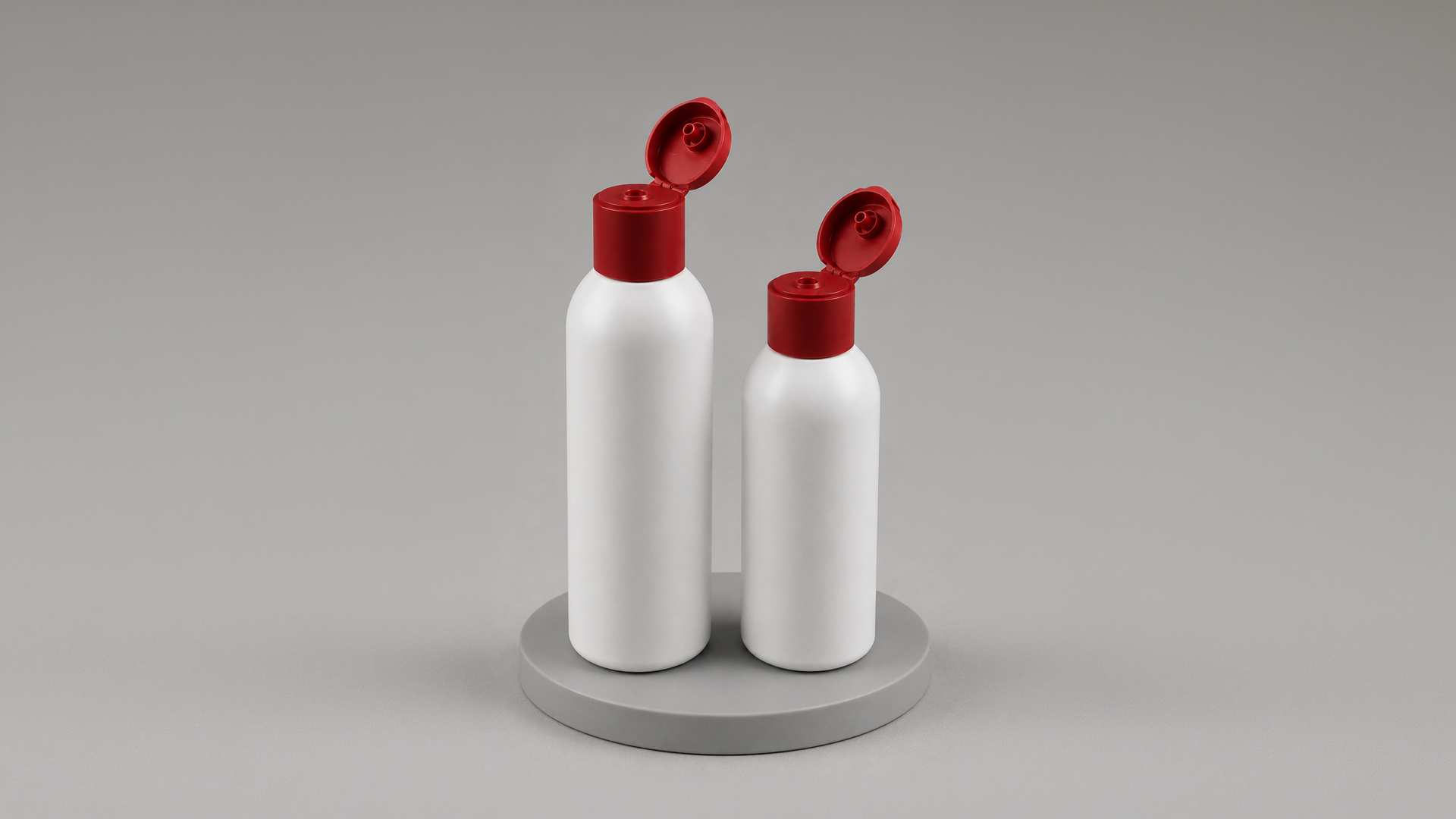
Common Mistakes When Specifying
Some mistakes happen frequently, especially when a purchase is made based solely on a brief description or a photo of the item. We've seen this happen more than once. And almost always, the rework could have been avoided.
The most common mistakes are as follows:
- Consider only the number 18 and ignore 410 or 415
- Assuming that any 18-mm cap fits any 18-mm bottle
- Do not validate the physical sample before production
- Failure to account for the internal height of the lid in the final assembly
How We Evaluate the Best Option
When we receive a project, we usually start by considering the actual application. Is the product intended for cosmetics? Personal care? Pharmaceuticals? Will it be transported over long distances? Will the bottle be handled frequently? The answers to these questions help reduce the margin of error.
Our evaluation process generally takes the following into account:
- Exact measurement of the neck
- Desired lid profile
- Bottle and cap material
- Type of everyday use
- Visual representation of the finished packaging
We like to say that a good choice comes from the right balance between the right specifications and the context of use. The technical specifications alone don't tell the whole story. The part has to work in practice.
Conclusion
If we want to avoid defects, the best approach is to verify the neck profile, check the cap height, and test the combination before making a final decision. That is how we have developed many successful projects at Bral-Max, always paying close attention to the quality of the seal and the purpose of each package.
If you are evaluating 18/410 or 18/415 caps for your product line, contact Bral-Max to learn about our plastic cap solutions and find the option that best suits your project.
Frequently Asked Questions
O que é uma rosca 18/410?
A rosca 18/410 é um padrão de fechamento com diâmetro interno de 18 mm e perfil de tampa mais baixo. Ela é usada em embalagens que pedem esse tipo de acabamento e compatibilidade com gargalos no mesmo padrão.
Qual a diferença entre 18/410 e 18/415?
A diferença está na altura do perfil da tampa: a 18/410 é mais baixa e a 18/415 é mais alta internamente. As duas compartilham o mesmo diâmetro de 18 mm, mas não têm o mesmo formato interno de rosca e nem a mesma presença visual no frasco.
Como escolher entre rosca 18/410 ou 18/415?
Nós recomendamos verificar o padrão do gargalo do frasco, a altura necessária para o fechamento e o resultado visual desejado. Se houver válvula, batoque ou outro componente, isso também deve entrar na avaliação.
Onde posso comprar rosca 18/410 ou 18/415?
Você pode buscar um fabricante especializado em tampas plásticas que trabalhe com controle de medidas, variedade de modelos e apoio técnico na escolha. Na Bral-Max, atendemos projetos de diversos setores com opções adaptadas à necessidade de cada embalagem.
Conheça no catálogo
Leia também: Guide to GPI Threads: Standardization and Industrial Applications · 24/410 Finish: What It's Used For and How to Identify It in Practice
 Portuguese
  English
  Spanish